
The landscape of production has changed dramatically over the past few decades, shifting from standardized mass output toward more adaptable and personalized approaches. Among the most influential developments in this transformation is the growing reliance on custom manufacturing services, which allow organizations to create products tailored to precise requirements rather than generic specifications. This evolution reflects broader changes in technology, consumer expectations, and global supply chains, making customization a defining feature of contemporary manufacturing.
In today’s environment, flexibility is often as valuable as efficiency. Companies, researchers, and engineers increasingly seek production methods that can accommodate unique designs, specialized materials, and evolving performance needs. As a result, custom manufacturing has become not only a technical capability but also a strategic approach that supports innovation across industries.
The Foundations of Custom Production in the Age of Precision
Custom production is rooted in the idea that not all products should be identical. Instead of prioritizing scale above all else, manufacturers focus on meeting specific functional or design objectives. This shift has been made possible by advances in digital design, automation, and precision engineering, which together enable small or specialized production runs without sacrificing quality.
The Role of Digital Design and Engineering Tools
Modern customization begins with digital modeling. Computer-aided design platforms allow engineers to visualize, test, and refine products before any physical material is used. These tools support simulation, stress analysis, and iterative design, helping teams identify potential improvements early in the development process.
Organizations such as the International Organization for Standardization provide guidelines that help ensure consistent quality and interoperability across customized components. By aligning designs with recognized standards, manufacturers can maintain reliability even when producing highly specialized parts.
Precision Manufacturing Technologies
Technologies like CNC machining, additive manufacturing, and advanced robotics have expanded the possibilities of customization. These methods enable complex geometries and tight tolerances that would have been difficult or impractical with traditional tooling alone. The ability to produce intricate components with minimal manual intervention has significantly reduced barriers to bespoke production.
Why Customization Matters in a Globalized Economy
Customization has become more than a technical capability. It is increasingly tied to how businesses differentiate themselves and respond to shifting market demands. In a global economy where products compete not only on price but also on performance and user experience, tailored manufacturing solutions offer a meaningful advantage.
Meeting Specialized Performance Requirements
Industries such as aerospace and medical technology often require components that must perform under highly specific conditions. For example, engineering teams working with organizations like NASA frequently rely on bespoke parts designed to withstand extreme environments. Custom production ensures that each component aligns with precise performance criteria rather than generalized assumptions.
Supporting Innovation and Prototyping
Customization also plays a critical role in research and development. Rapid prototyping allows teams to test new ideas quickly, refine designs, and move toward production with greater confidence. This iterative approach encourages experimentation and reduces the risk associated with bringing new products to market.
Enabling Product Differentiation
In consumer-focused sectors, unique features and design elements can help brands stand out. Customized manufacturing allows companies to introduce variations, limited editions, or specialized configurations without reengineering entire production systems. This flexibility supports creativity while maintaining operational efficiency.
Industry Applications Shaping the Future of Manufacturing
Custom manufacturing is not confined to a single sector. Its influence extends across a wide range of fields, each leveraging tailored production to address specific challenges and opportunities.
Aerospace Engineering and Advanced Materials
The aerospace sector has long relied on precision engineering, but modern customization has taken this reliance to new levels. Companies such as Boeing use specialized manufacturing processes to produce lightweight components that enhance fuel efficiency and structural integrity. Advanced composites and additive techniques enable engineers to optimize designs for both performance and safety.
Healthcare and Medical Devices
In healthcare, personalization can directly impact patient outcomes. Custom implants, prosthetics, and surgical tools are designed to match individual anatomical requirements, improving comfort and effectiveness. The integration of digital imaging with manufacturing technologies has made patient-specific solutions more accessible than ever before.
Automotive Design and Performance Engineering
Automotive manufacturers increasingly use custom production for prototype development, performance enhancements, and specialized vehicle configurations. This approach allows engineers to experiment with new materials and design concepts while maintaining the rigorous safety standards expected in the transportation sector.
Electronics and High-Tech Equipment
The rapid pace of innovation in electronics demands production methods that can keep up with evolving specifications. Custom fabrication supports the development of specialized circuit boards, enclosures, and components tailored to unique technical requirements. This adaptability is essential in industries where product life cycles are short and technological change is constant.
The Sustainability Dimension of Tailored Manufacturing
Environmental considerations have become central to discussions about industrial practices. Custom manufacturing can contribute to sustainability by reducing excess production and minimizing material waste. Instead of producing large inventories that may never be used, manufacturers create items based on actual demand.
Efficient Resource Utilization
Producing only what is needed helps conserve raw materials and energy. Advanced planning tools and digital workflows enable precise resource management, reducing the likelihood of surplus inventory and unnecessary waste.
Lifecycle Optimization
Customization also supports longer product lifecycles. When components are designed specifically for their intended use, they often perform more efficiently and require fewer replacements. This durability contributes to reduced environmental impact over time.
Challenges and Considerations in Custom Manufacturing
While the benefits of customization are significant, the approach is not without complexities. Organizations must carefully balance flexibility with cost, timing, and operational efficiency.
Managing Costs and Production Planning
Custom projects often involve specialized tooling, design work, and quality assurance processes that can increase initial expenses. Effective planning and collaboration are essential to ensure that projects remain economically viable while still meeting technical requirements.
Coordinating Complex Supply Chains
Tailored production frequently relies on specialized materials or components that may not be widely available. Maintaining strong supplier relationships and clear communication helps mitigate potential delays and ensures consistent quality.
Maintaining Consistent Quality Standards
Producing unique or low-volume items requires rigorous quality control. Each product must meet its specific specifications, which can demand detailed inspection and testing procedures. Aligning processes with recognized standards helps maintain reliability across projects.
The Human Element Behind Custom Manufacturing
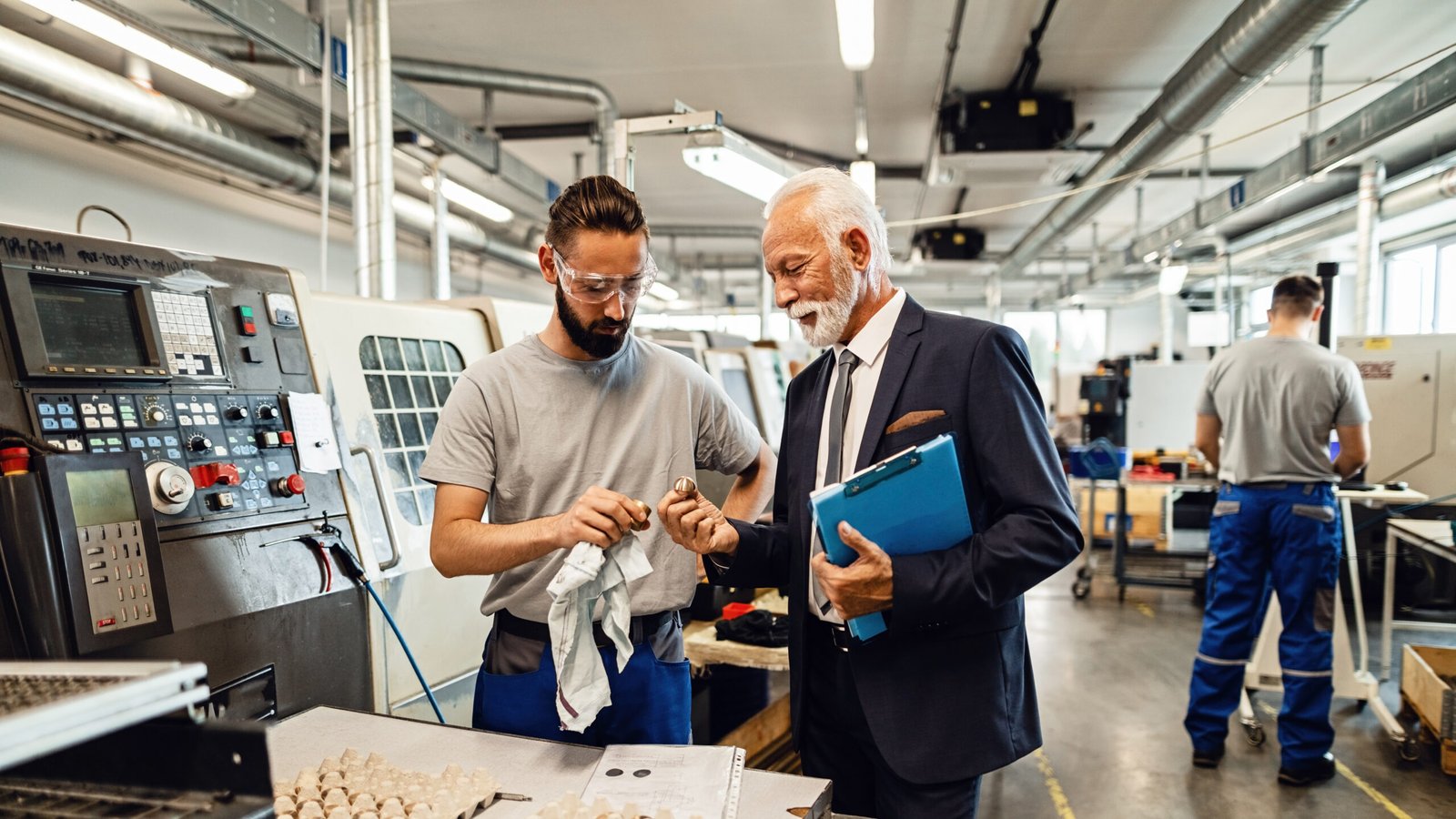
Despite the role of advanced technology, people remain central to successful customization. Engineers, designers, machinists, and quality specialists collaborate closely to translate ideas into tangible products. Their expertise ensures that technical possibilities align with practical realities.
Collaboration and Knowledge Sharing
Custom projects often involve cross-disciplinary teams working together to solve complex problems. This collaborative environment encourages knowledge sharing and fosters innovation, as insights from different fields contribute to better outcomes.
Skills Development in a Changing Industry
As manufacturing technologies evolve, so do the skills required to operate them effectively. Continuous learning and professional development help workers stay current with new tools and methodologies, supporting both individual growth and organizational resilience.
Emerging Trends Influencing the Next Generation of Manufacturing
The future of manufacturing is likely to be shaped by ongoing advances in automation, connectivity, and data analytics. These trends are enhancing the capabilities of customized production and expanding its potential applications.
Smart Manufacturing and Data Integration
Connected systems allow manufacturers to monitor processes in real time, optimize performance, and quickly address potential issues. Data-driven insights improve decision-making and enable more responsive production environments.
Distributed Production Models
Decentralized manufacturing networks are becoming more feasible as digital design files and advanced equipment allow production to occur closer to the point of use. This approach can reduce transportation needs and improve supply chain resilience.
Increased Accessibility for Smaller Organizations
As technologies become more affordable and user-friendly, smaller companies and startups are gaining access to customization capabilities that were once limited to large enterprises. This democratization of manufacturing tools is fostering a more diverse and innovative industrial ecosystem.
Reflecting on the Broader Impact of Custom Manufacturing
The rise of customized production reflects a broader shift in how products are conceived and delivered. Rather than focusing solely on efficiency and volume, modern manufacturing emphasizes adaptability, precision, and responsiveness to specific needs. This approach supports innovation while enabling industries to address complex challenges with greater confidence.
From aerospace engineering to healthcare, the ability to tailor products has transformed expectations about what manufacturing can achieve. As technologies continue to evolve and new applications emerge, customization will likely remain a central theme in the ongoing evolution of global industry.
Conclusion
Custom manufacturing represents a convergence of technology, creativity, and practical problem solving. By enabling products to be designed and produced according to exact requirements, it supports innovation across sectors while encouraging more efficient use of resources. Understanding its principles and implications offers valuable insight into the direction of modern industry and the ways in which production continues to adapt to an increasingly complex world.
As industries move forward, the balance between precision, sustainability, and flexibility will shape how manufacturing evolves. Custom manufacturing services, when thoughtfully applied, provide a framework for meeting these goals and for building solutions that reflect both technical excellence and real-world needs.